
New Research Initiative Targets Concussion and Mental Health in Female Equestrian Athletes
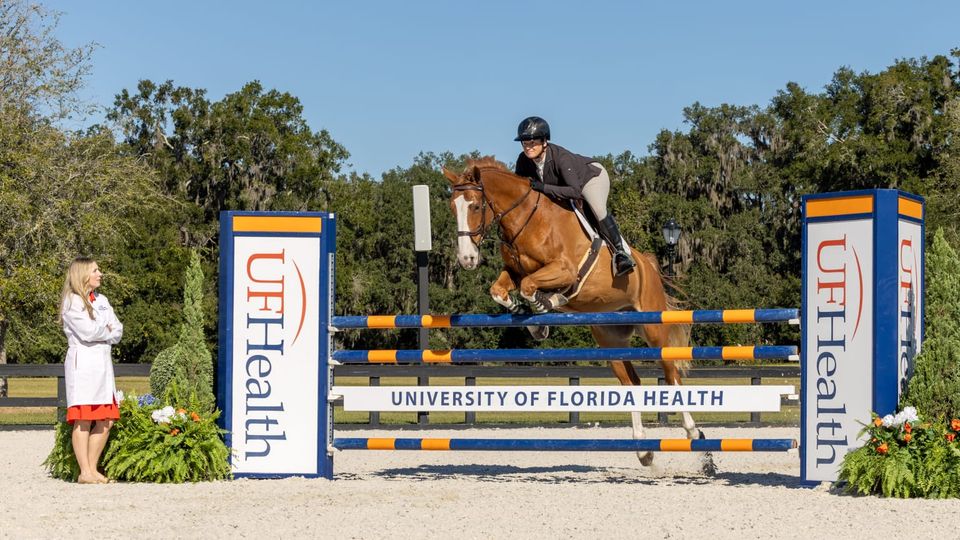
A major new research initiative at the University of Florida Health is set to explore the connection between concussion, brain injury and mental health in female equestrian athletes - a group researchers say has long been overlooked in sports medicine.
The study, led by sports medicine physician Dr Sara Gould, has received a $100,000 grant from the Zabara Foundation to investigate how transcranial magnetic stimulation (TMS) could support riders experiencing both mild traumatic brain injury and depression.
TMS is a non-invasive treatment that uses magnetic pulses to stimulate targeted areas of the brain and is increasingly being used in the treatment of major depressive disorders. Gould’s work aims to explore how the treatment could specifically benefit equestrian athletes, particularly women, who experience high rates of concussion and spinal injuries within the sport. Speaking about the project, Gould said:
“There’s a lot of concussions happening in this sport. There’s a huge need for people to really look at the equestrian as an athlete.”
The research comes amid growing discussion around rider safety, long-term brain health and the lack of medical infrastructure historically associated with equestrian sport.
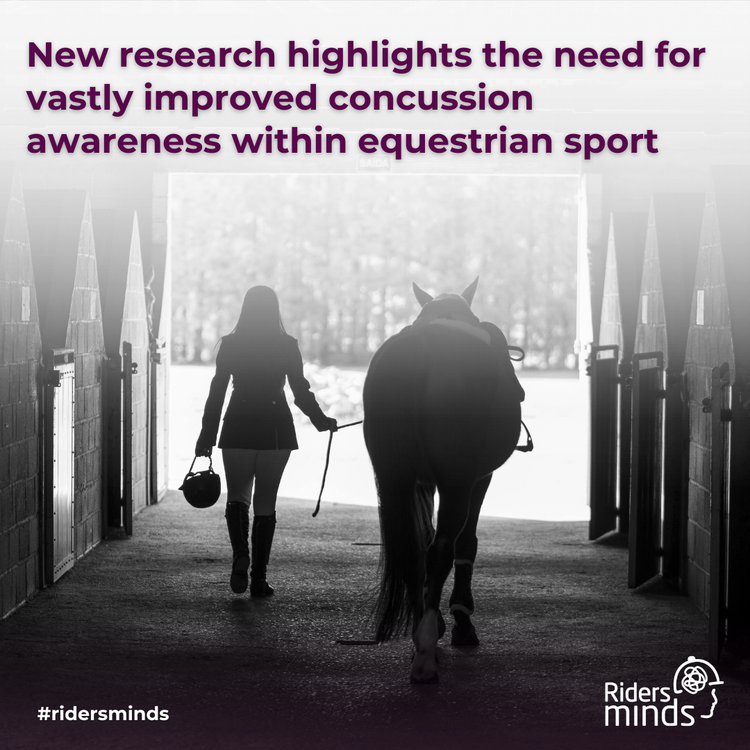
Equestrian sports record some of the highest rates of head injuries across all sports.
And, between 63.7% and 84.6% of injured riders are female.

According to research co-authored by Gould, equestrian sports record some of the highest rates of head injuries across all sports, surpassing even traditionally recognised contact sports such as American football and rugby. Head injuries are estimated to account for between 20% and 48% of all horse-related injuries, while previous studies have suggested that between 63.7% and 84.6% of injured riders are female. Alongside the neuromodulation research, Gould is also investigating advances in helmet technology through a separate grant from the American Medical Society for Sports Medicine, focusing on reducing rotational impact forces - a major factor in concussion severity. The work is being carried out through the UF Equestrian Sports Medicine Program at the World Equestrian Center, where Gould has been building a growing educational platform around equestrian safety, injury prevention and rider welfare. The initiative also reflects a broader movement within sports medicine to ensure female athletes are properly represented in medical research and treatment development.
Erik Herzfeld said: “Focusing on women in this context isn’t just about parity - it’s about accuracy. If we want better outcomes, we need research that reflects who is actually being treated.”
For many within the equestrian industry, the study represents an important step forward in recognising riders not simply as participants, but as elite athletes with sport-specific medical needs. Mental health, concussion recovery and rider safety are conversations that have often existed quietly within equestrian sport. Research initiatives like this may help bring those conversations further into the open while driving meaningful changes in both treatment and prevention. The study also highlights an issue particularly relevant to women in equestrian sport. While women make up a significant proportion of riders globally, female-focused sports medicine research within the industry has remained comparatively limited. As conversations around athlete welfare continue to evolve across all sports, this latest initiative signals a growing recognition that equestrian athletes, and especially female riders, require dedicated research, medical support and long-term investment in their health and wellbeing. For more information on the study, visit ClinicalTrials.gov
or learn more about the University of Florida Health Equestrian Sports Medicine Program.