
Three Generations, One Set of Values
Why the future of equestrian sport is shaped early
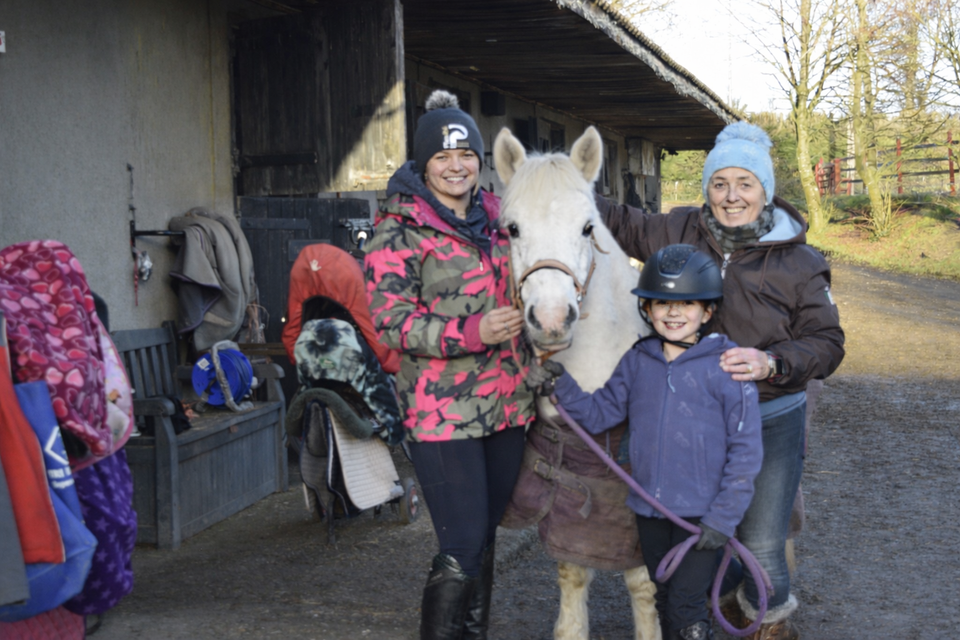
The future of the equestrian world does not begin at elite level. It begins much earlier, often quietly, in family yards and pony club fields, where a child first decides what horses, and the people around them, mean to them.
In the Anderson family, that future is already taking shape.
From Olive Anderson, to her daughter Vickie Anderson, and now to Vickie’s niece, Eabha Anderson, this is a story about continuity. Not continuity of success alone, but continuity of values, care, and belonging in the equestrian world.
The sport as a child first understands it
For a child, the equestrian world is not defined by rankings or reputations. It is defined by feeling.
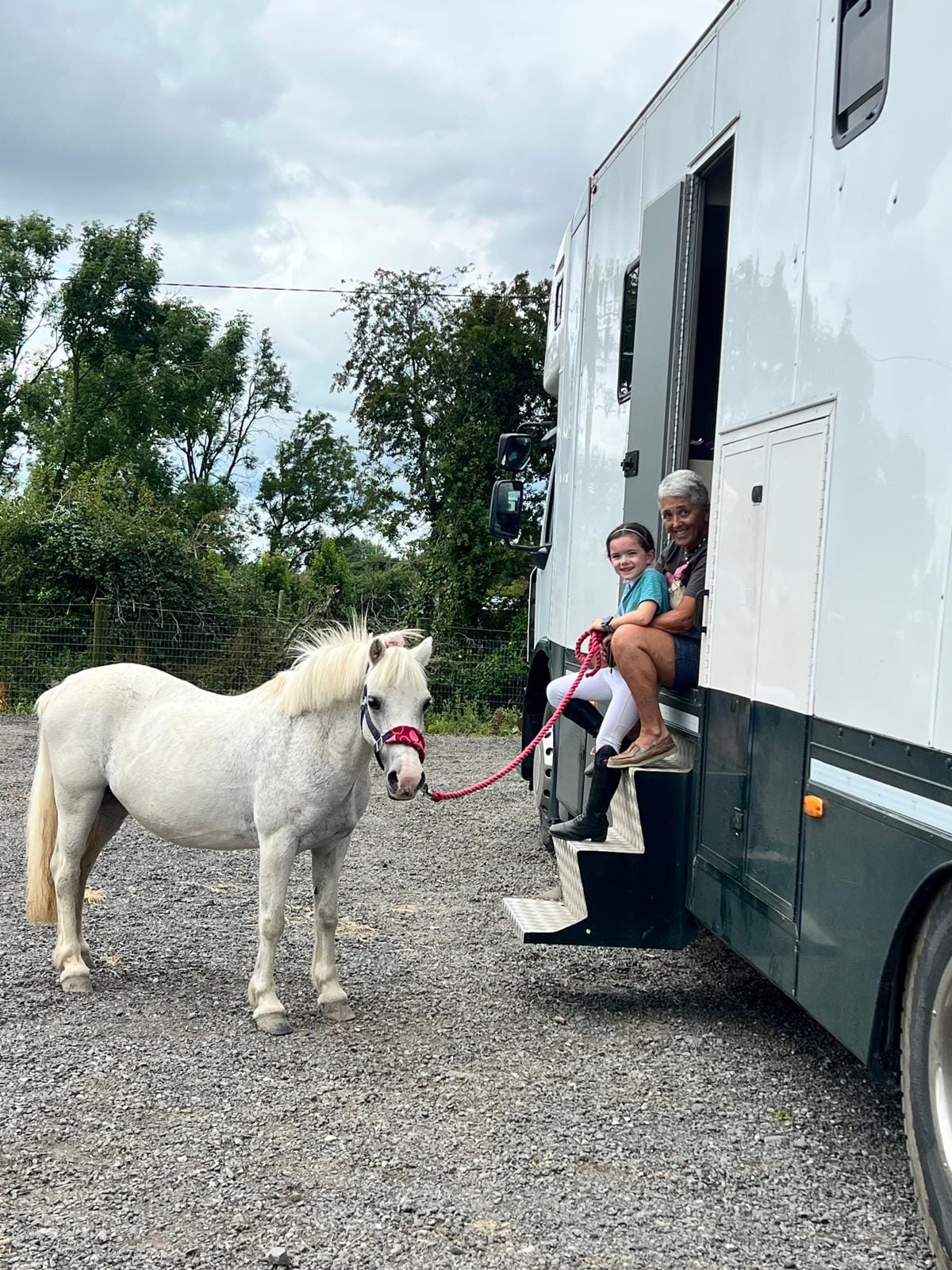
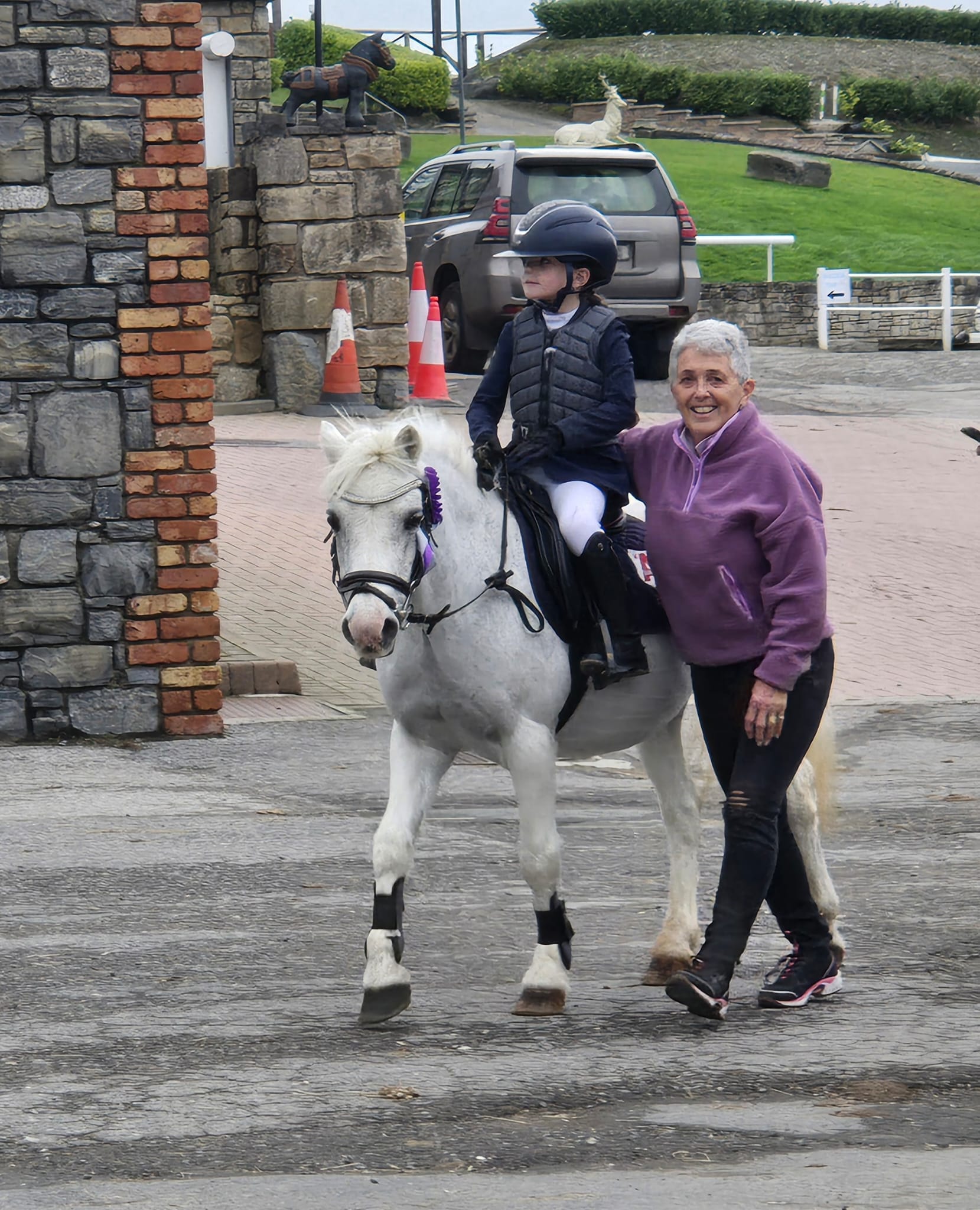
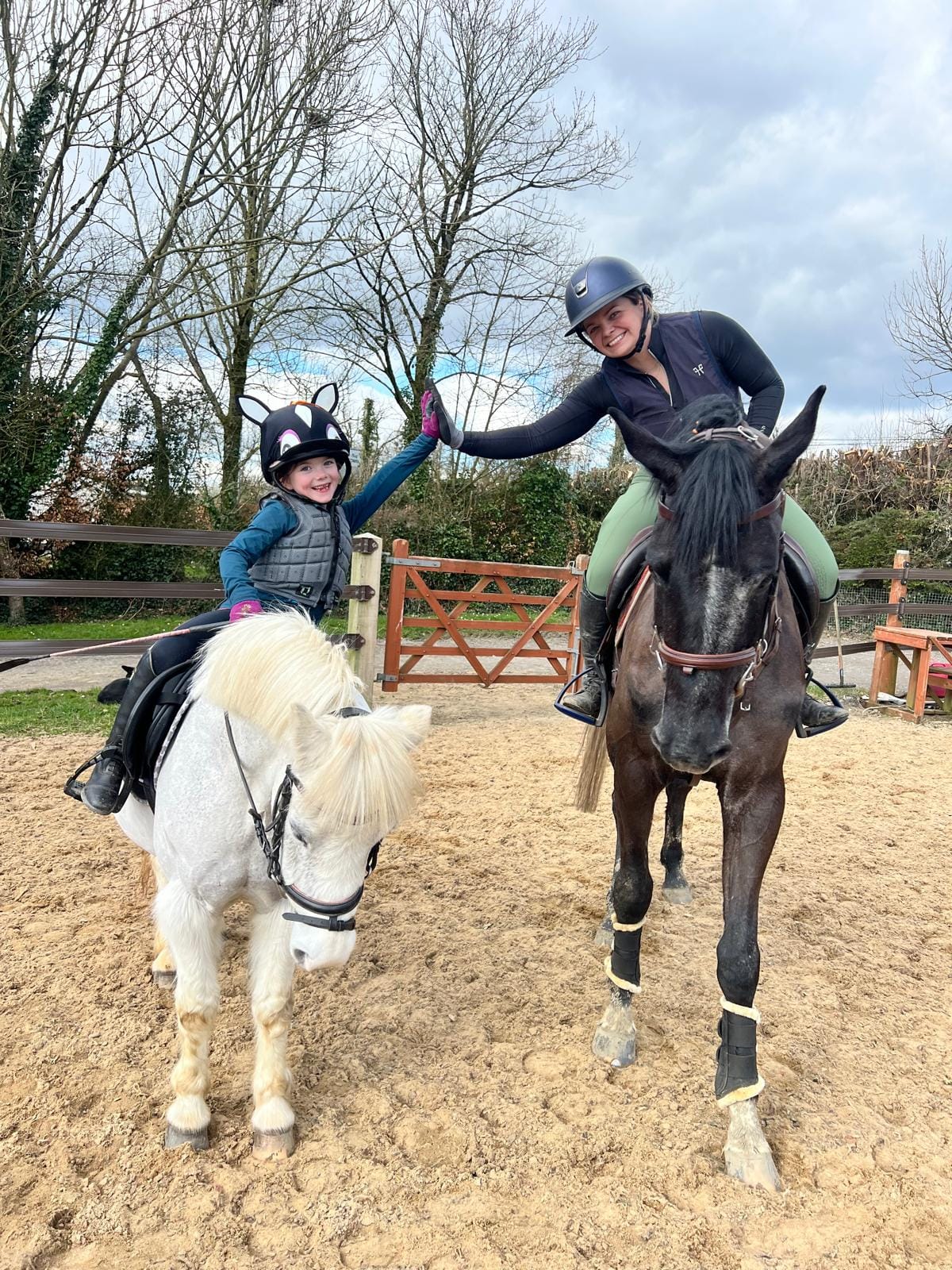
Eabha’s world is made up of ponies, people, routines, and small details that matter deeply. She rides two ponies, Candy and Willow. When asked what she loves most about them, her answers are simple and telling: Willow is her favourite because “she’s really fast,” and Candy because “she’s cute.”
Those observations are not trivial. They show a child engaging with horses as individuals, not tools. Speed is exciting. Kindness and cuteness are noticed. This is how a healthy relationship with horses begins.
Learning the sport by watching the adults
Children learn how to be in equestrian sport long before they learn how to compete.
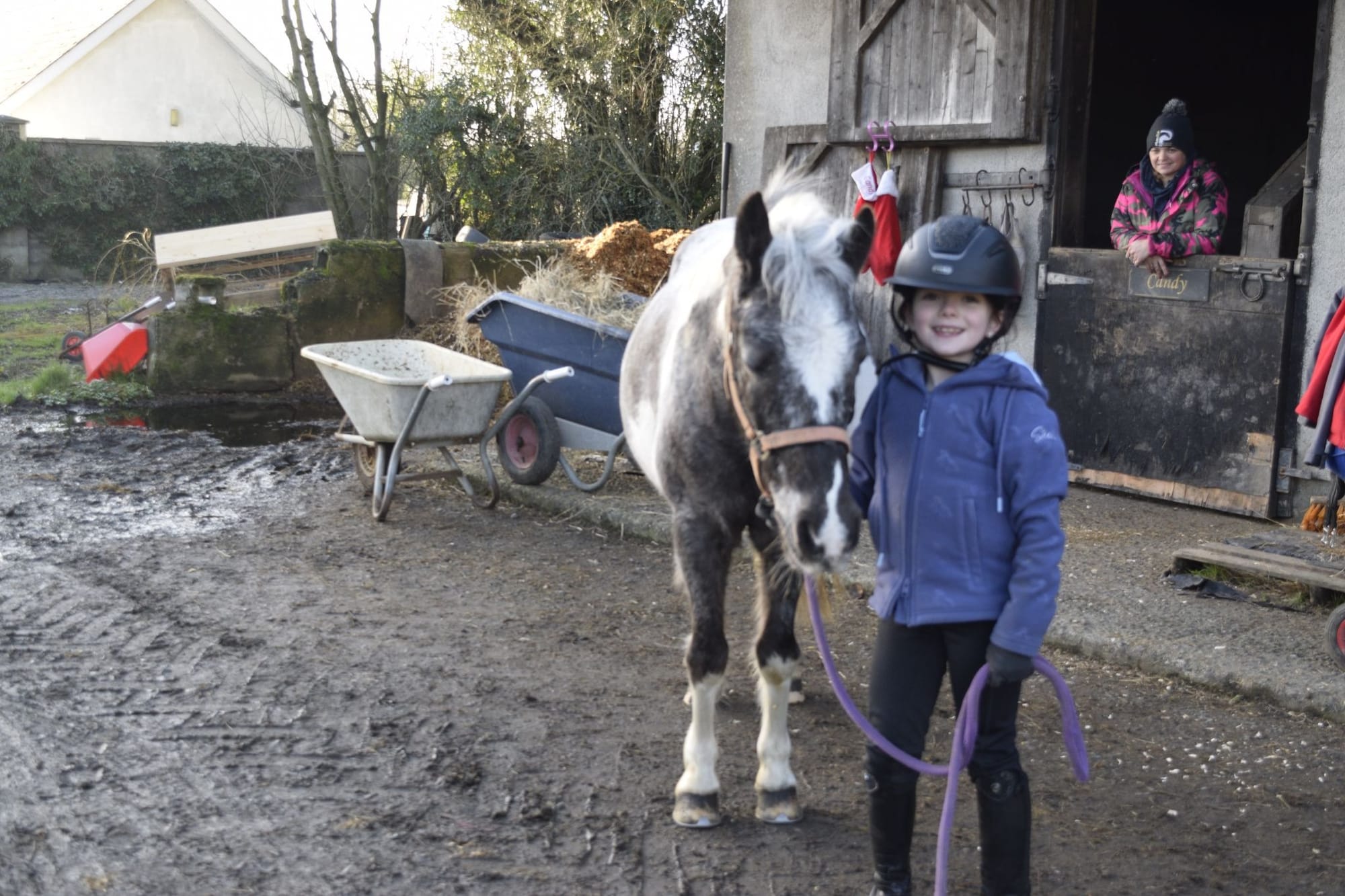
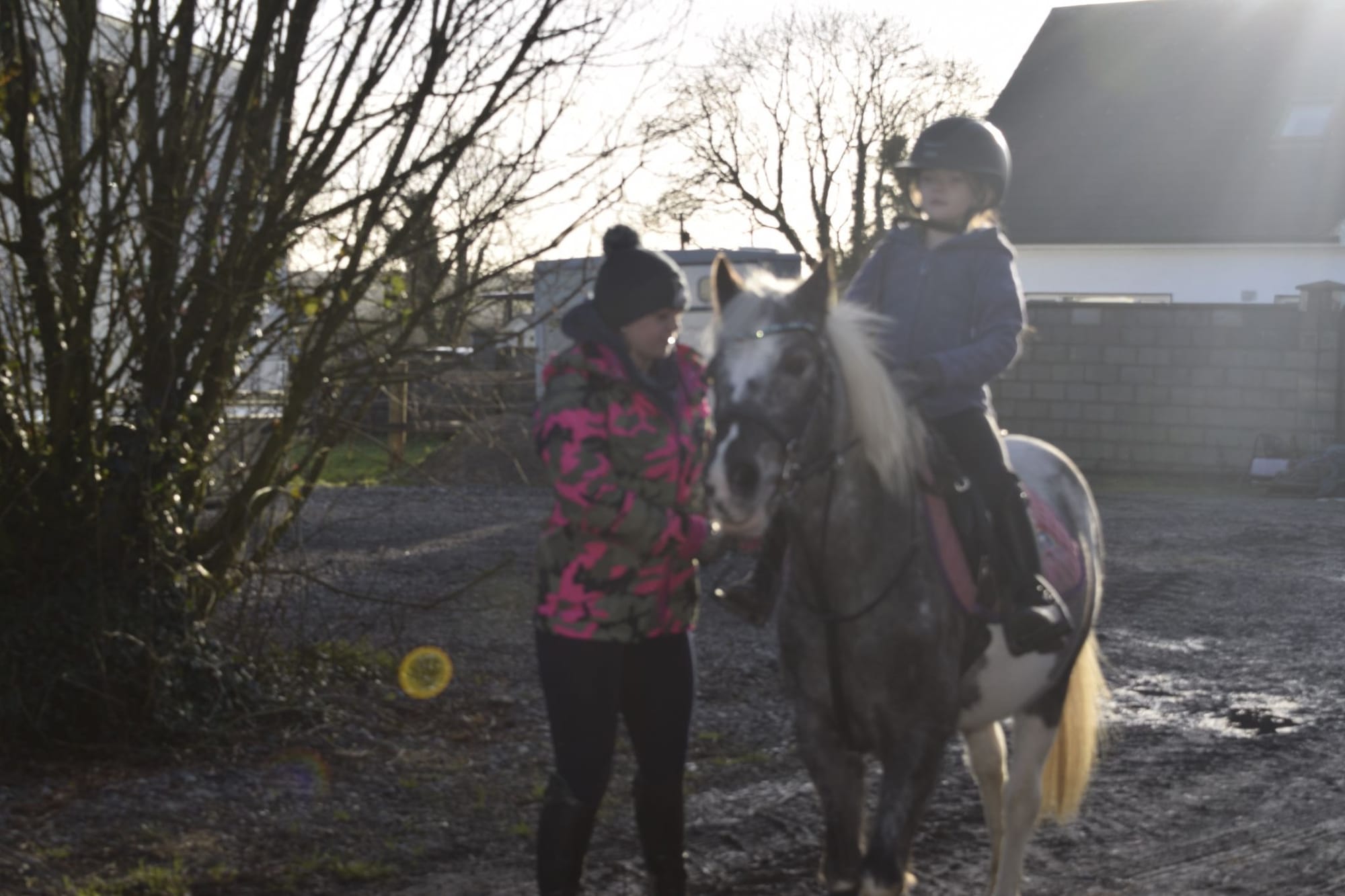
Eabha’s favourite thing about Vickie is not winning, or jumping big fences. It is how helpful she is, how much she teaches her about horses, and, in Eabha’s own words, “her hugs and snuggles.”
That combination matters. Knowledge paired with kindness. Instruction paired with reassurance.
This is how tradition works when it is done properly. Skills are passed down, but so is behaviour. How to speak to a horse. How to recover from a mistake. How to encourage without pressure. How to make the sport feel safe.
For Eabha, Vickie is not just an accomplished rider. She is the person who makes the equestrian world feel welcoming.
The quiet influence of family structure
Behind every young rider is a framework that allows them to grow steadily rather than hurriedly.
In this family, Olive Anderson represents that quiet structure. Her role is not outwardly seen as centre stage, but it is foundational. Support in equestrian sport is rarely loud. It is consistency, presence, and the willingness to invest time and care long before results appear.
For a child watching on, that matters. It teaches that horses are a responsibility, not a phase, and that progress is built through commitment rather than shortcuts.
These lessons are absorbed without being announced. They become normal.
[PHOTO SUGGESTION 4: Olive watching from the rail, at the lorry, or quietly in the background.]
Pony Club: where the future is socialised
Eabha loves her Laois Pony Club. That detail is important.
Pony Club is often where young riders learn that equestrian sport is not just about individual ambition. It is about teamwork, shared responsibility, learning, and community. It is where friendships form, confidence grows, and resilience is built.
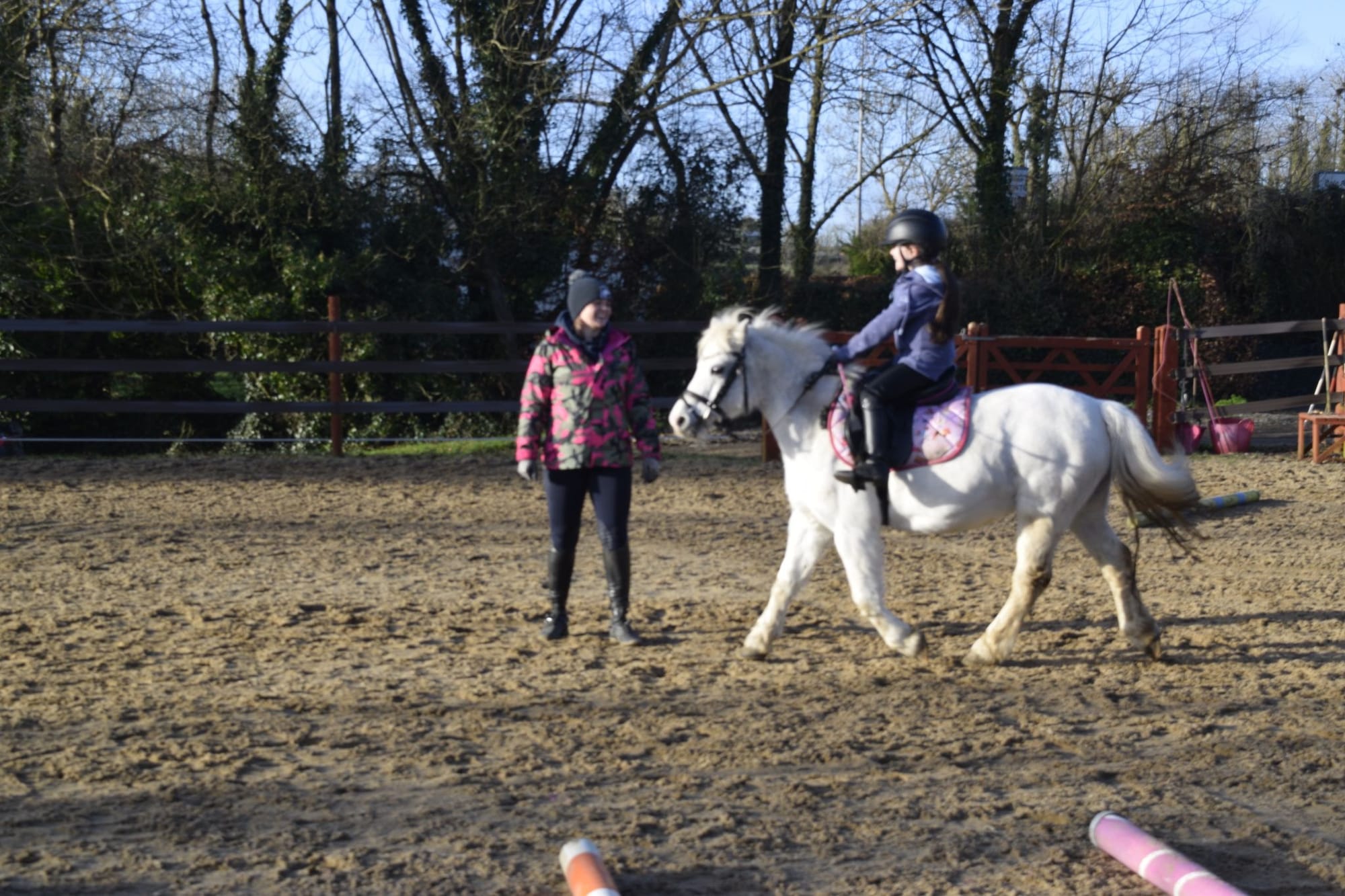
Eabha’s least favourite part? Washing white horses.
That honesty matters too. It reminds us that the sport is not glamorous from the inside. There is effort, mess, and work involved. When children are allowed to dislike parts of the process while still feeling supported within it, they are more likely to stay.
Tradition as protection, not pressure
The equestrian world is changing rapidly. Costs are rising. Timelines are accelerating. Visibility is constant.
In that environment, tradition is often criticised. Sometimes rightly. But the traditions that centre welfare, patience, and respect are not barriers to progress. They are safeguards.
Through Vickie’s approach to horses, Olive’s steady presence, and Eabha’s early experiences, we see how tradition can act as protection. Protection against burnout. Protection against fear. Protection against losing sight of why horses mattered in the first place.
Why this matters for the future of the sport
The future of equestrianism depends on whether young riders feel that this is a world worth staying in.
Eabha’s experience shows what happens when a child grows up surrounded by care, knowledge, humour, and consistency. She is learning that horses can be exciting, affectionate, demanding, and rewarding. She is learning that adults in the sport can be safe and supportive. She is learning that community exists alongside competition.
That is how riders stay.
Generations continuing tradition is not about holding on to the past. It is about ensuring that the next generation inherits a sport that is kind enough, structured enough, and meaningful enough to belong to.