
"Horses Are Not Race Cars": The Statement That Has Equestrian Sport Talking
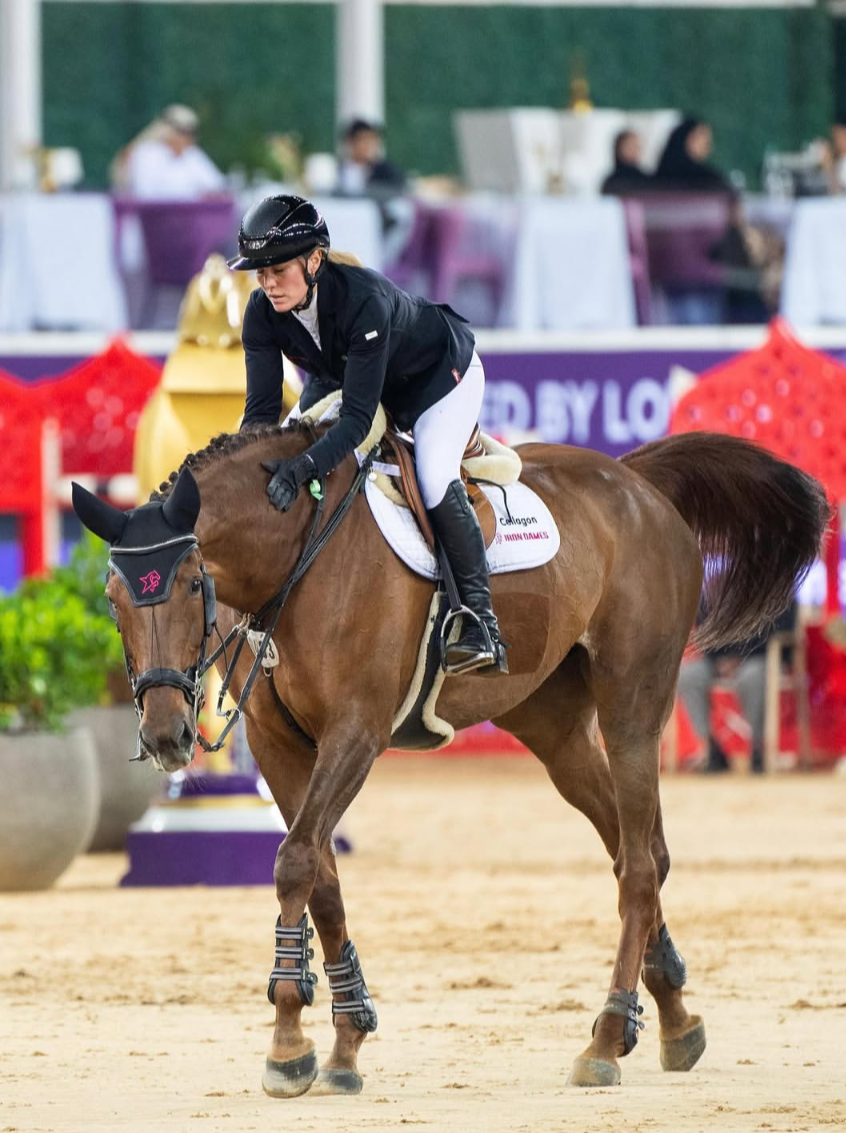
Elite showjumping rider Janne Friederike Meyer-Zimmermann has sparked widespread discussion across the equestrian world after publicly announcing her departure from the Iron Dames team, citing differences in opinion regarding horse management, competition schedules and welfare.
The German rider, who has been one of the most recognisable faces of the Iron Dames equestrian project, shared a statement this week explaining that two of the team's horses, Iron Dames HighLevel and Iron Dames Just a Dream, had left her stable following disagreements over their sporting future.
While rider-owner disagreements are not uncommon in professional sport, what has captured the attention of the equestrian community is the level of transparency in Meyer-Zimmermann's statement.
Rather than issuing a carefully worded announcement about "different directions" or "new opportunities", she chose to publicly outline the reasons behind her decision.
In her statement, Meyer-Zimmermann referenced differing views on issues including whether a horse should compete when a treating veterinarian has advised that only light, non-strenuous work should be undertaken, and broader questions around how much competition is appropriate for a horse that has already achieved significant sporting and financial success.
"My philosophy and idea of horsemanship is different," she wrote.
In a follow-up statement, Meyer-Zimmermann expanded further on her beliefs, emphasising the importance of allowing horses the time needed for development, recovery and rehabilitation.
"Success must never come at the expense of horses," she wrote. "Horses are not race cars."
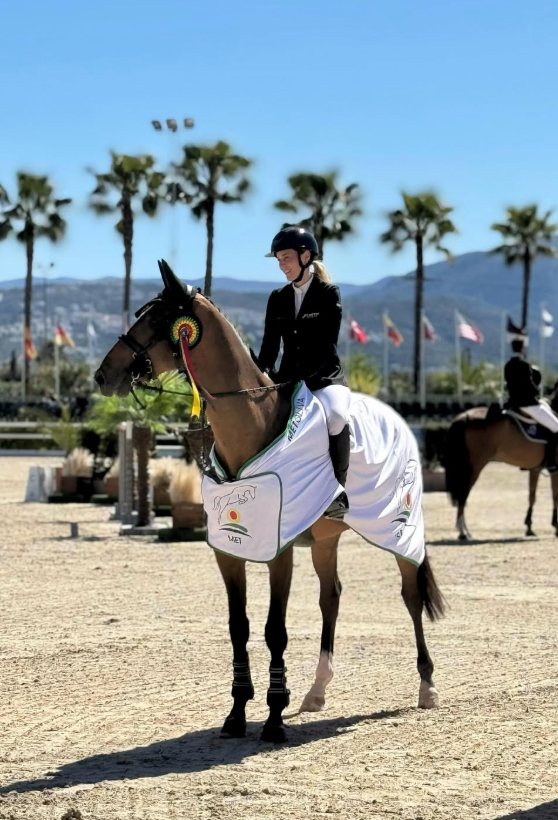
What has been particularly notable is the response from the equestrian community. Comments beneath Meyer-Zimmermann's posts, including some from her long supporting sponsors, have overwhelmingly praised her willingness to speak publicly about an issue many believe is often discussed behind closed doors. Numerous supporters thanked the rider for her honesty, describing her decision as brave and principled, while others highlighted the growing importance of transparency and accountability within elite sport.
Many also pointed to the wider pressures that exist at the highest levels of competition, where sporting ambitions, financial investment, commercial partnerships and horse welfare can sometimes sit in tension with one another.
It is important to note that, at the time of writing, the public has only heard one side of the story. Meyer-Zimmermann's statements represent her perspective on the situation, and no public response addressing the specific concerns raised has yet been issued by those involved.
However, regardless of where individual opinions may fall, the conversation her comments have sparked is an important one. Equestrian sport continues to face increasing scrutiny regarding horse welfare. Questions around competition schedules, rehabilitation periods, veterinary advice, horse ownership structures and athlete responsibility are no longer confined to stable yards and private discussions. Increasingly, they are being debated in public, and that is primarily why this story matters.
Not because a rider has changed teams.
Not because horses have changed stables.
But because one of the sport's most respected riders has chosen to publicly discuss the values that informed her decision.
In doing so, Meyer-Zimmermann has opened the door to a conversation that many within the sport believe needs to happen more often.
Whether one agrees with her position or not, there is something significant about a professional athlete being willing to publicly stand behind her principles, particularly when doing so may come at a personal or professional cost.
For a sport built upon partnership between horse and rider, the discussion raises a question that extends far beyond any one team, owner or rider: When success and welfare appear to be pulling in different directions, where should the line be drawn? The answer may differ from person to person. But thanks to Meyer-Zimmermann's decision to speak openly, it is a conversation that the equestrian world is now having.