
The grief we don't talk about: Why losing a pet deserves more recognition.
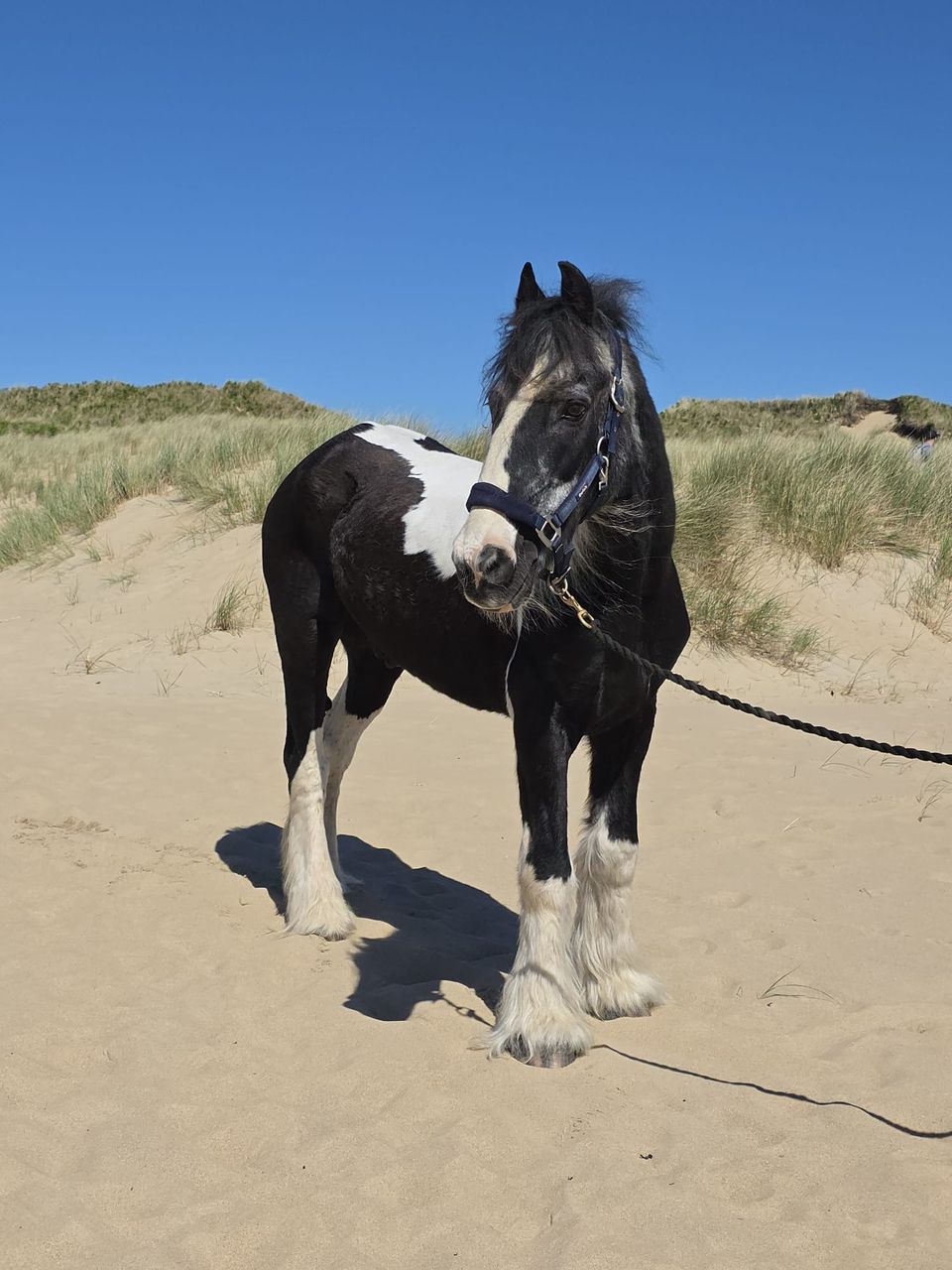
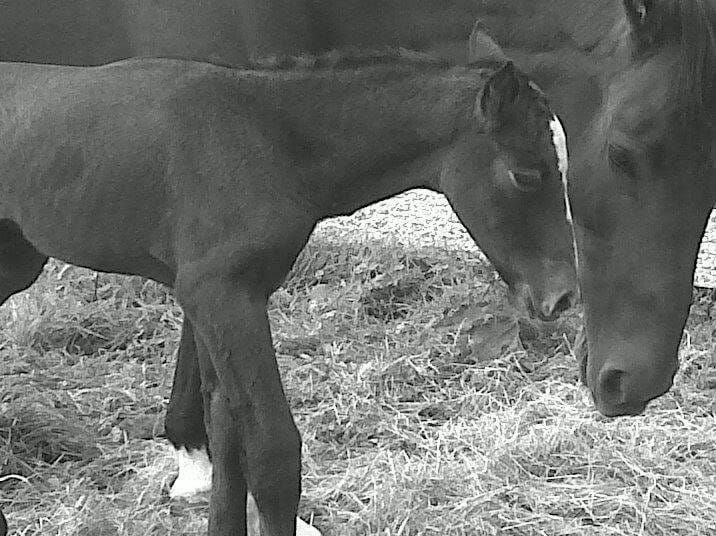
Five days ago, I lost my heart horse. He had just turned 30 years old the week before. Making the decision to end his life was one of the hardest decisions I have ever had to make.
There I was, floating along on my little naive cloud, convincing myself, perhaps even praying, that he would live forever. I avoided thinking about the day I would have to say goodbye. Then suddenly, it arrived and hit me head-on. The responsibility of making that decision is enormous. It is heavy, overwhelming, and difficult for any human mind to comprehend. Yet somehow, when it came to Jack, his wellbeing mattered more than my feelings in that moment. Don't get me wrong, I was devastated. Sad beyond words. But my sadness wasn't the priority. He was. His comfort and dignity meant more to me than my own pain. I think that's the silent agreement we make when we choose to care for animals.
Sharing our lives with animals comes with every emotion imaginable. Horses, in particular, are often steady and honest in their emotions, and that is one of the things I love most about them. Their expressions are clear, even without words. I won't call them silent because sometimes their lack of words speaks louder than anything I've ever experienced.
Last week, Jack was telling me, loud and clear, that something wasn't right. And out of respect for him, I listened.
But this is not an article about Jack, although I could happily talk about him and my memories of him all day, every day. This is about the grief of losing an animal. Because most of the time, that animal is family. In my case, Jack was part of my family for 28 years. I always told people that Jack and I grew up together. I was around 14 years old when my dad bought him for me, and Jack was only 18 months old. Technically, we were about the same age in human years. For the next 28 years, we explored life together. Jack travelled with me whenever I moved and whenever I could bring him along. On the occasions when he couldn't come, my dad cared for him. He wasn't simply a horse I owned. He was woven into the fabric of our family.
What strikes me now is that I am carrying a profound grief while continuing with everyday life. I still go to work every day. I greet people. I ask them how their weekend was. I ask if they have any nice plans for the summer. All the while, only a few days ago, I lost one of the most important companions of my life. The sadness sits heavily in my chest. The emptiness is hidden beneath my work uniform, and the smile is carefully placed whenever someone approaches my desk.
There is no recognised bereavement leave for losing a pet. Yet the tears still come in private. My body aches with a grief that is searching for somewhere to go. Right now, I am in survival mode. My mind is doing whatever it can to protect me from emotions that feel too overwhelming to fully process. I am grieving for my "pet", and sometimes I feel embarrassed to admit that. I know I shouldn't. If you don't understand that feeling, then perhaps you simply haven't yet had to say goodbye to an animal you loved deeply. And honestly, I hope you don't have to experience that pain for a very long time. It is heartbreaking. It is painful. And it is real. When people talk about grief, they are usually talking about the loss of another person. But losing a beloved animal can bring the same intensity of grief. Our hearts and minds don't always distinguish between species. They respond to attachment, love, companionship, and loss.
While researching this topic, I came across a paper titled No Pets Allowed: Evidence That Prolonged Grief Disorder Can Occur Following the Death of a Pet by Philip Hyland, published on January 14, 2026. The study found that "One-third (32.6%) of respondents experienced the death of a beloved pet, and almost all had also experienced the death of a human; 21.0% of these people chose the death of their pet as most distressing." That statistic stopped me in my tracks.
Despite the profound impact that losing a pet can have, pet grief remains largely unrecognised by society. People are often expected to carry on with their daily responsibilities as though they are not experiencing a significant loss. I am writing this article because I was completely unprepared for losing Jack. Thankfully, I am incredibly fortunate to have supportive family and friends around me, especially those who understand the depth of grief that comes with losing one of my animals. But I don't hear this topic being discussed often. Maybe it simply isn't appearing in my corner of the internet. Maybe it isn't part of my algorithm. Either way, I believe it deserves a much bigger place in the conversation, particularly within the equestrian community. There are countless horse owners who share the same deep bond with their horses that I shared with Jack. Yet I rarely see open discussions about the grief that follows their loss. They also have to just continue on with their daily lives, expected to leave their grief at the door. It is a difficult conversation, but it is an important one. Our horses deserve that honesty. Our equestrian journeys deserve that honesty. Loss is part of loving animals, and acknowledging that reality could make the experience feel less isolating when the time comes.
Right now, there are thousands of people grieving the loss of a horse, a dog, a cat, or another beloved companion. Some may feel their grief should remain private because "it was only an animal." I disagree.
Your grief is valid.
You loved deeply, and now you are grieving deeply. You can grieve as quietly or as loudly as you need to. You can talk about them, cry for them, celebrate them, and miss them for as long as it takes. Because love is love. And when we lose those, we love, regardless of species, the grief deserves to be recognised.